

Cold and flu season can feel relentless—especially in the deep winter months when we’re indoors more, daylight is short, and stress (plus holiday sugar) sneaks up on all of us.
The good news: you cannot “guarantee” you won’t get sick, but you can stack the odds in your favor with consistent, science-backed habits that support your immune system.
In this guide, we’ll cover practical winter immunity tips you can start today—plus where chiropractic care and functional nutrition may fit into a whole-person wellness plan.
Why we get sick more in winter (and what you can actually control)
Cold weather itself does not “cause” viruses—but winter conditions can make it easier for respiratory bugs to spread.
Common winter factors include:
- More indoor time (close contact).
- Dry air (irritates nasal passages).
- Less sunlight (often means lower vitamin D).
- Poor sleep (busy schedules, stress).
You cannot control every exposure. You can control your daily inputs—sleep, hydration, nutrition, movement, stress, and basic hygiene.

Start with the biggest immune booster: quality sleep
If you do only one thing this winter, protect your sleep.
Research consistently links short sleep to higher susceptibility to respiratory infections and weaker immune responses. Aim for 7–9 hours for most adults.
Winter sleep upgrades that work:
- Set a consistent wake time (even on weekends).
- Keep your room cool and dark.
- Stop screens 30–60 minutes before bed.
- Try magnesium-rich foods (pumpkin seeds, leafy greens) at dinner.

Support your “first line of defense” with hydration + humidity
Your nose and throat are part of the immune system’s frontline. When the air is dry, the protective lining can become irritated, which may make it harder to clear germs.
Simple winter moves:
- Sip warm fluids (water, tea, broth).
- Use a humidifier in bedrooms during peak dry weeks.
- Limit dehydrating habits (too much alcohol, too much caffeine).

Eat for immunity: build your plate around nutrients that matter
No single food “boosts” immunity overnight—but steady nourishment supports the immune system’s normal function.
Start with this immune-support plate formula:
- Half the plate: colorful vegetables and fruit.
- A palm of protein: eggs, fish, poultry, beans.
- Healthy fats: olive oil, avocado, nuts.
- Fermented foods (if tolerated): yogurt, kefir, sauerkraut.
Key nutrients for winter wellness:
- Vitamin D: Commonly low in winter. Ask your provider about testing and appropriate supplementation if needed.
- Zinc: Important for immune function. Too much can cause side effects, so avoid megadosing.
- Vitamin C: Helpful for some people in certain contexts; food sources are a great baseline.
Consider evidence-supported add-ons (with safety in mind)
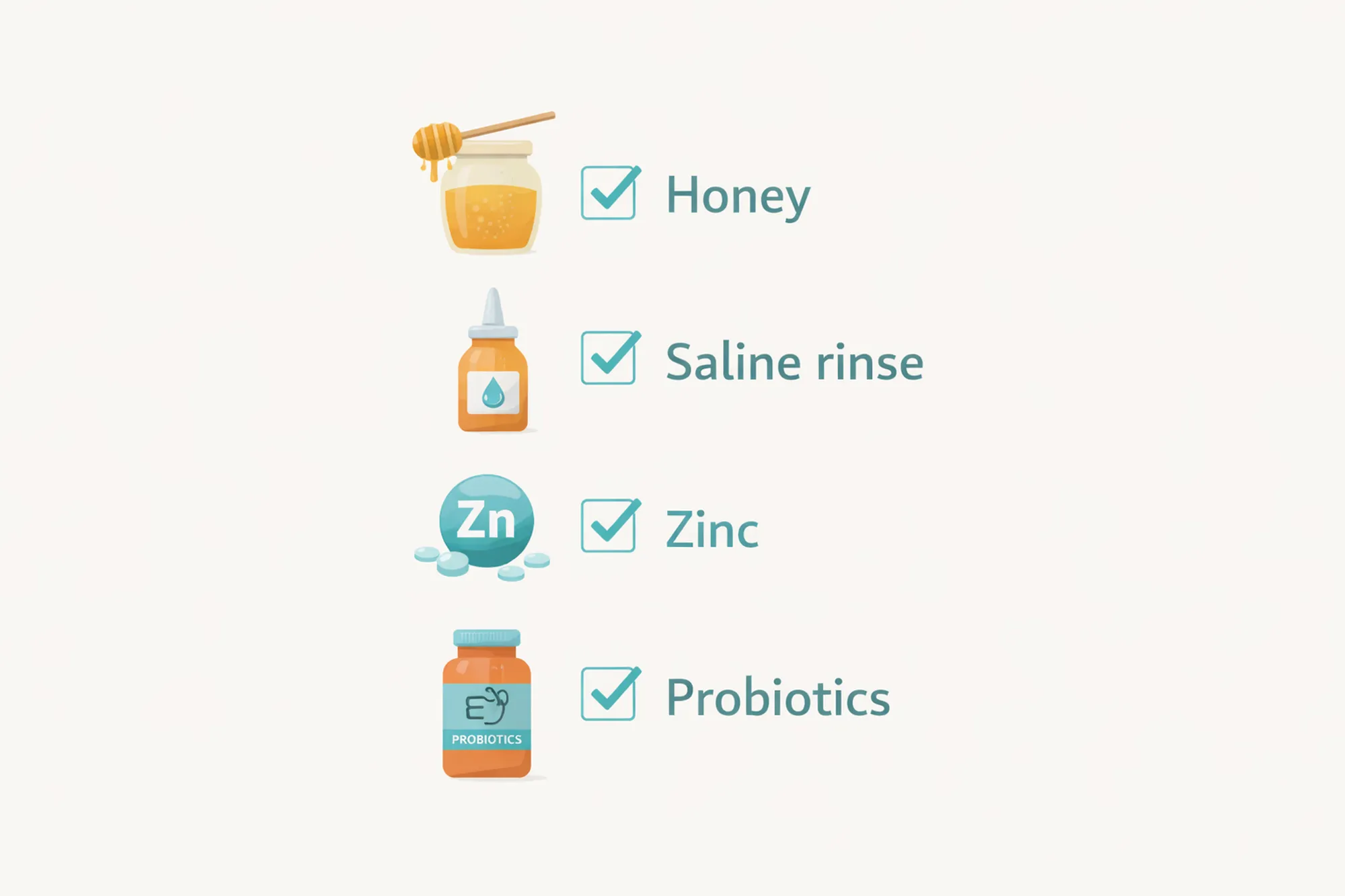
If you love natural options, here are a few with at least some evidence behind them.
- Saline nasal rinses (neti pot or squeeze bottle): Can help with symptom relief for colds and support nasal comfort. Use sterile/distilled water.
- Honey (for cough in kids over 1 year old and adults): A simple, evidence-supported option for nighttime cough.
- Probiotics: Some evidence suggests they may reduce the risk or duration of upper respiratory infections, but strains and effects vary.
For a balanced overview of complementary approaches (what helps, what doesn’t, and what’s risky), see the NCCIH resource below.

Move your body to support circulation, lymph flow, and stress resilience
Moderate movement supports immune regulation and helps manage stress.
You do not need intense workouts in winter. Try:
- A 20–30 minute brisk walk.
- Gentle mobility or yoga.
- Light strength training 2–3 days per week.

Reduce stress (because stress changes immune function)
Stress is not “in your head.” Chronic stress affects hormones and inflammation, which can influence how the immune system responds.
Practical stress support that fits real life:
- 5-minute breathing breaks (set a daily reminder).
- Sunlight exposure early in the day.
- Short “micro-wins”: tidy one small area, prep one healthy snack, text a friend.

Don’t skip the basics: vaccines + hygiene
Natural habits and evidence-based prevention can work together.
- Handwashing and avoiding face-touching are still top-tier prevention.
- Vaccines (like the annual flu shot) are an important protective tool for many people. Talk to your provider about what’s appropriate for you.

Where chiropractic fits into winter wellness (without hype)
Chiropractic care is often part of a holistic wellness routine because it supports:
- Comfort and mobility (so you can keep moving, even in winter).
- Nervous system regulation and stress resilience through improved movement, reduced pain, and better sleep.
- Healthy habits adherence (people who feel better often stick to walking, hydration, and nutrition routines).
Some studies explore connections between spinal manipulation and immune markers, but the research is still developing and does not prove that adjustments prevent colds or flu. The most responsible approach is to view chiropractic as supportive care inside a broader plan that includes sleep, nutrition, movement, stress support, and medical guidance.
A simple “Winter Wellness Routine” you can start this week
Here’s a practical routine many people can follow:
- Daily:
- [ ] 7–9 hours sleep (same wake time).
- [ ] 6–8 cups of water (more if active).
- [ ] 2 servings of fruit + 3 servings of vegetables.
- [ ] 20 minutes of movement.
- 3–4x per week:
- [ ] Strength or mobility session.
- [ ] Fermented food (or talk to your provider about probiotics).
- Weekly:
- [ ] Meal prep one “immune-support” staple (soup, chili, roasted veggies).
- [ ] Wellness visit if pain, stress, or mobility issues are building.
When to see a provider
Call your healthcare provider right away for:
- Trouble breathing.
- Chest pain.
- Severe dehydration.
- High fever that does not improve.
- Symptoms that significantly worsen.
If you’re getting recurring colds, feel run down, or want a clear plan for nutrition and lifestyle support, a functional nutrition consult can help identify the habits (and labs, if indicated) that may be holding you back.
Local note: If you’re in the Chillicothe area (or nearby communities in North Missouri), winter scheduling fills quickly. Booking your wellness visit early can help you stay consistent through the season.
Now Scheduling

FAQs
Can chiropractic care boost my immune system?
Chiropractic care supports overall wellness—especially comfort, movement, stress resilience, and sleep. Some studies explore immune markers after spinal manipulation, but current evidence does not prove chiropractic prevents colds or flu. It’s best viewed as supportive care alongside proven habits like sleep, nutrition, and hygiene.
What are the most evidence-based natural remedies for colds?
Evidence varies, but resources like NCCIH note that saline nasal rinses, honey (for cough, for children over 1 year old), and oral zinc products have shown some promise for colds. Always follow safety guidance (especially for nasal rinses and zinc dosing).
Should I take vitamin D in winter?
Many people have lower vitamin D in winter, especially with limited sun exposure. The best approach is to talk to a healthcare provider about testing and appropriate dosing for your situation.
Do probiotics help prevent colds?
Some studies suggest certain probiotic strains may reduce the risk or duration of upper respiratory infections, but results vary by strain and person. If you have digestive issues or immune concerns, ask your provider which strain and dose is appropriate.
What lifestyle habits help the immune system the most?
Sleep, consistent nutrition, regular movement, stress management, and good hygiene tend to have the strongest overall impact. Supplements can be helpful in specific situations, but they work best on top of these fundamentals.
Sources:
- NCCIH (NIH) – Colds, Flu, and Complementary Health Approaches (Usefulness and Safety): https://www.nccih.nih.gov/health/colds-and-flu-in-depth
- CDC – Prevent Seasonal Flu: https://www.cdc.gov/flu/prevent/index.html
- CDC – Cold vs Flu (Symptoms & Complications): https://www.cdc.gov/flu/symptoms/index.html