

When the Missouri cold sets in, a lot of people feel like their joints suddenly “age” 10 or 20 years overnight. Knees feel stiffer. Hips and low backs complain when you first get out of bed. Hands are slower to loosen up around that first cup of coffee.
If that sounds familiar, you are not alone. Many people with arthritis or old injuries notice that joint pain and stiffness get worse in cold weather.[1][2] The good news: there are practical steps you can take to feel better and stay active all winter long.
At The Well-House Chiropractic here in Chillicothe, we see this every year. In this guide, we’ll walk through:
- Why winter can make joints ache more
- Who tends to feel it the most
- Simple home strategies to reduce stiffness
- How chiropractic care can help keep you moving all season

Why Do Joints Hurt More in Cold Weather?
Researchers are still studying exactly why cold weather worsens joint pain, but several factors consistently show up in the science and in patients’ stories.[3][4][5]
Drops in barometric pressure
When colder weather moves in, barometric (air) pressure often drops. That change can cause the tissues around your joints—muscles, tendons, ligaments, and joint lining—to slightly expand inside a very tight space.[1][4]
For joints already irritated by arthritis or past injuries, that extra pressure can lead to:
- More aching or throbbing
- A “full” feeling or swelling
- Increased stiffness when you first move
Several orthopedic and arthritis organizations note this barometric-pressure effect as one reason people feel like they can “predict the weather” in their knees or hands.[6][7][8]
Colder temperatures tighten muscles and thicken joint fluid
When you step out into the cold, your body naturally works to preserve heat around vital organs. Blood vessels in your hands, feet, and extremities can constrict, and muscles often tighten up.[9][5]
That can mean:
- Tighter muscles around joints (more pulling and guarding)
- Reduced circulation to already-sensitive areas
- Synovial fluid (the “motor oil” in your joints) becoming more viscous in some people, contributing to stiffness[5][10]
If you already live with osteoarthritis, that combination of colder temps + tighter tissues can make everyday movement feel more restricted and uncomfortable.[2]
Less movement and more time indoors
In winter, many people:
- Walk fewer steps
- Skip outdoor chores or hobbies
- Spend more time sitting (TV, devices, long drives)
Less movement means joints do not get lubricated as well, because motion is what signals your body to send nourishing fluid through the joint spaces.[6][7][11] Inactivity can also weaken the muscles that support your joints, which increases strain and pain over time.

Who Feels Winter Joint Pain the Most?
Anyone can feel “creakier” in cold weather, but some groups tend to struggle more:
- Adults with osteoarthritis in the knees, hips, spine, or hands
- People with past joint injuries, such as old sprains, fractures, or sports injuries
- Seniors, whose cartilage and joint tissues have more wear-and-tear
- People with inflammatory arthritis (such as rheumatoid arthritis), especially if not well controlled
- Individuals who are deconditioned, sedentary, or carrying extra weight, which adds load to weight-bearing joints[11][7]
If you fit one or more of these categories, winter in north Missouri can be particularly challenging. The goal is not to “wait it out,” but to be proactive so your joints don’t control your season.

Winter Joint Pain vs. Something More Serious
Most cold-weather stiffness is uncomfortable but not an emergency. However, you should contact a doctor or seek urgent care if you notice:[12][13]
- Sudden, severe joint pain with redness, significant swelling, or warmth
- Fever, chills, or feeling sick along with joint pain
- Inability to bear weight on a joint
- New numbness, weakness, or loss of bladder/bowel control (especially with back pain)
- A joint that looks visibly deformed after a fall or injury
These signs can point to infection, fracture, or other serious conditions that need prompt medical attention.
For day-to-day winter aches, though, there’s a lot you can do at home—and chiropractic care can be an important part of that plan.
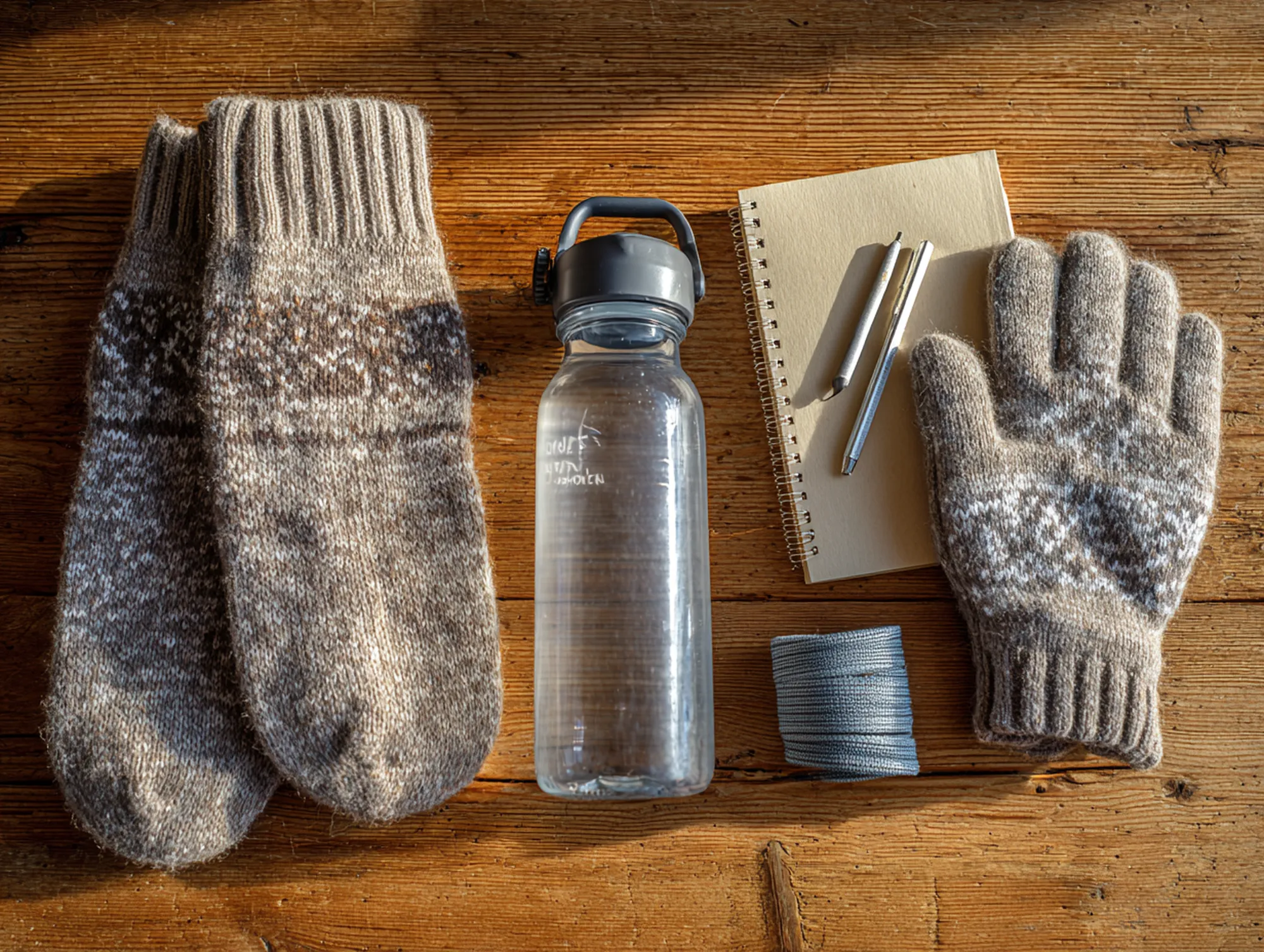
7 Practical Ways to Ease Winter Joint Pain at Home
Think of these as your winter joint-care toolkit. Most people get the best results by combining several of these habits consistently.
Layer up and keep joints warm
This sounds simple, but warmth really does matter. Cold exposure can trigger vasoconstriction (narrowing of blood vessels) and muscle tightening, which increase pain and stiffness.[9][7]
Try:
- Dressing in layers that cover your knees, hips, and shoulders
- Wearing gloves and warm socks to protect fingers and toes
- Using a light knee sleeve or wrist wrap if those joints tend to ache
- Taking a warm shower or bath in the morning to “melt” stiffness before your day starts[2][7]
Just be careful not to fall asleep on high-heat pads or electric blankets. Use warm—not scalding—temperatures and follow manufacturer guidelines.
Keep moving (even if you do not feel like it)
When it is icy or gloomy outside, it is tempting to curl up and stay still. The problem is that inactivity feeds stiffness.[11][4] Joints are meant to move.
Low-impact options that are joint-friendly in winter include:
- Short indoor walks around the house, grocery store, or local mall
- Gentle stretching or chair yoga
- Stationary cycling or an elliptical machine
- Light resistance exercises with bands or small hand weights
Aim to move your major joints through a comfortable range of motion at least a few times a day. Even 5–10 minutes at a time can help.
Start your day with gentle morning stretches
Many people notice that mornings are the stiffest time of day in winter. Before you jump into chores or work, take a few minutes to wake up your joints.
Examples (always stay within comfort):
- Ankle circles while sitting on the edge of the bed
- Gentle knee-to-chest or figure-4 stretches lying on your back
- Pelvic tilts and cat–cow movements for the low back
- Shoulder rolls and chest-opening stretches
If you are a Well-House patient, we can show you a simple morning routine tailored to your specific joints and comfort level.
Use heat wisely (and sometimes contrast)
Heat can be very soothing for winter joint pain because it:
Good options include:
- Warm showers or baths
- A moist heating pad for 10–20 minutes
- A warm towel over hands or knees
Some people also benefit from contrast therapy (alternating warm and cool). Ask your provider if that makes sense for your condition before experimenting.
Stay hydrated and support joint health
Dehydration can affect how well your body circulates synovial fluid and removes waste products from tissues, which may contribute to aching joints.[5][14]
In winter, people often:
- Drink less water (not as thirsty as in summer)
- Rely more on caffeinated drinks that can be dehydrating
Try:
- Keeping a water bottle nearby throughout the day
- Adding herbal tea or warm lemon water
- Pairing each cup of coffee with a glass of water
Maintaining a healthy weight can also reduce load on weight-bearing joints like the knees—losing even 10 pounds can take up to 40–60 pounds of pressure off the knees with each step.[11]
Protect your joints during chores and outdoor tasks
Cold-weather chores—shoveling snow, carrying wood, walking on icy sidewalks—combine heavy load, awkward positions, and slippery conditions, which is a recipe for pain and injury.
Keep in mind:
- Warm up indoors first with a few minutes of movement
- Use your legs, not your back, when lifting
- Take more frequent breaks than you would in summer
- Wear shoes or boots with good traction to reduce fall risk
If a particular activity (like shoveling) always flares your pain, talk with us about alternative tools, techniques, or help so you can stay safe.
Listen to your body—but do not give up on movement
There is a balance between pushing through pain and losing ground because you are too afraid to move. We encourage patients to:
- Respect sharp, intense, or sudden pain (stop and get help)
- Expect some mild achiness when stiff joints are waking up
- Focus on “comfortable challenge” rather than “no discomfort at all”
A chiropractor or other musculoskeletal specialist can help you find that sweet spot.

How Chiropractic Care Can Help Winter Joint Pain
At The Well-House Chiropractic, winter is one of our busiest seasons. People come in saying, “My joints knew the cold front was coming before the forecast did.”
Here is how chiropractic care may help:
Restoring joint motion and alignment
Chiropractic adjustments aim to improve the motion and alignment of joints, especially in the spine, hips, and other weight-bearing areas. When joints move better, they often:
- Distribute load more evenly
- Irritate surrounding tissues less
- Feel less stiff and “locked up”
For seniors and people with arthritis, a good chiropractor will modify techniques—using gentler, low-force adjustments, table-assisted methods, or instrument-based approaches when appropriate rather than high-force “twisting.”[15]
Reducing muscle tension and guarding
Cold weather often makes muscles tighten, especially in the neck, shoulders, and low back. Chiropractic care typically includes:
- Soft-tissue techniques
- Gentle stretching
- Posture and ergonomic coaching
That combo can calm overworked muscles so joints have a chance to move more freely again.
Supporting balance, mobility, and independence in seniors
For many older adults, the real fear is not just pain—it is losing independence. By improving joint mobility, strength, and balance, chiropractic care can help:
- Reduce fall risk
- Make walking and stair-climbing easier
- Support confidence in daily activities
That is especially important during icy Missouri winters when falls are more common.
Creating a personalized winter joint-care plan
Everyone’s body and health history are different. At The Well-House, a winter care plan might include:
- A short series of adjustments to get joints moving
- A tailored home-exercise routine (5–10 minutes daily)
- Advice on heat, bracing, or supports
- Functional nutrition guidance to support joint health and inflammation, when appropriate[16]
We also coordinate with your other providers if you are under medical care for arthritis or another condition, so your plan is safe and cohesive.

When to Consider an Appointment
You might benefit from a chiropractic evaluation if:
- Your joint pain consistently flares when the weather turns cold
- Morning stiffness lasts more than 30–60 minutes most days
- You are avoiding activities you enjoy because of pain
- Over-the-counter pain relievers and basic home care are not cutting it
- You are worried that winter will “undo” the progress you made earlier in the year
The goal is not just to “get through” winter, but to help you stay active, independent, and comfortable—from October through the last cold snap of March.
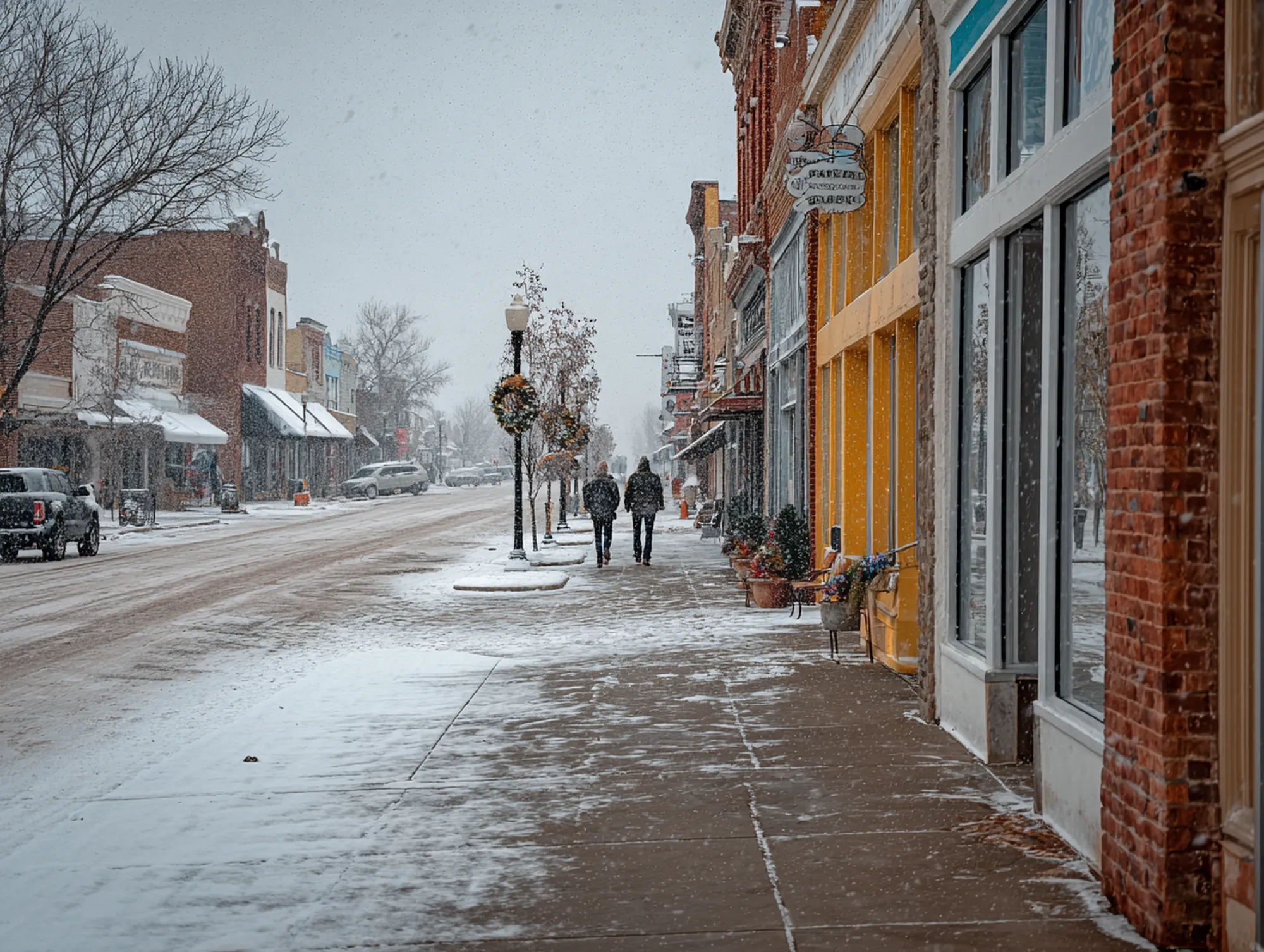
Local Note: North Missouri Winters and Your Joints
Here in Chillicothe and the surrounding north Missouri communities—from Trenton and Brookfield to Cameron and Kirksville—our winters bring:
- Rapid temperature swings
- Damp cold snaps
- Icy sidewalks and long drives on country roads
Those conditions can be especially tough on older adults, farmers, and folks who work outdoors. If you live in north Missouri and your joints are telling you, “Winter is coming,” you are not imagining it. We are here to help you find a better way through the cold months.
Now Scheduling

FAQs
Why do my joints hurt more when it is cold outside?
Many people notice more joint pain in cold weather because barometric pressure drops, muscles tighten, and circulation changes, especially around arthritic joints.[1][4] These changes can increase pressure inside the joint and make stiffness and pain more noticeable, particularly in the knees, hips, hands, and spine.
Does cold weather make arthritis worse—or just the symptoms?
Cold weather does not “cause” arthritis, but it can worsen arthritis symptoms like pain, stiffness, and swelling.[6][7] Lower temperatures and pressure changes can irritate already sensitive joints, while inactivity in winter can decrease joint mobility and muscle strength, which also adds to discomfort.
What can I do at home to ease winter joint pain?
Helpful home strategies include:
- Dressing in layers and keeping joints warm
- Doing gentle morning stretches before your day starts
- Staying physically active with low-impact exercise
- Using warm showers, baths, or heating pads for short periods
- Staying hydrated and maintaining a healthy weight[11][2]
If home care is not enough, it is a good idea to speak with a healthcare provider.
Can chiropractic care really help with winter joint pain?
For many people, yes. Chiropractic care focuses on improving joint motion, alignment, and muscle balance, which can reduce stiffness and pain, especially in the spine, hips, and other weight-bearing joints.[17][18] Chiropractors can also recommend exercises, posture changes, and self-care strategies tailored to your body and activity level.
Is chiropractic care safe for seniors with arthritis?
When performed by a trained chiropractor who adjusts techniques for age, bone density, and medical history, chiropractic care can be safe and gentle for seniors. Providers often use low-force or instrument-based adjustments and avoid aggressive twisting in people with osteoporosis or advanced arthritis.[7][16] Always share your full health history and medications so your chiropractor can plan appropriately.
When should I see a doctor instead of managing winter joint pain on my own?
You should see a doctor promptly if you have:
- Sudden, severe joint pain with redness, warmth, or major swelling
- Fever, chills, or feeling sick along with joint pain
- Inability to put weight on a joint
- New numbness, weakness, or loss of bladder/bowel control, especially with back pain[12][13]
These can be signs of infection, fracture, or nerve problems that need medical evaluation right away.
I live in Chillicothe / North Missouri. How do I know if I should book with The Well-House Chiropractic?
If winter joint pain is keeping you from walking comfortably, sleeping well, caring for your home, or enjoying time with family, it is worth getting checked. At The Well-House Chiropractic, we will listen to your story, examine how your joints are moving, and walk you through a clear plan that may include chiropractic adjustments, gentle exercises, and lifestyle recommendations specific to north Missouri winters.
Sources:
- Franciscan Health. “Arthritis Survival Guide: Cold Weather Tips For Joint Pain Relief.” January 10, 2025. https://www.franciscanhealth.org/community/blog/arthritis-cold-weather-tips
- AARP. “Why Your Joints Ache More in Colder Weather — And What to Do About It.” https://www.aarp.org/health/conditions-treatments/joint-pain-in-cold-weather/
- Orthopaedic Hospital of Wisconsin. “Winter Joint Pain Relief: Tips to Stay Active and Comfortable in 2025.” January 23, 2025. https://www.ohow.com/2025/01/23/winter-joint-pain-relief-tips-to-stay-active-and-comfortable-in-2025/
- Mackenzie Health. “Why is Arthritis Worse in the Winter? Tips to Manage!” January 14, 2025. https://www.mackenziehealth.ca/about-us/news/~394-Why-is-Arthritis-Worse-in-the-Winter-Tips-to-Manage-
- Arthritis Foundation. “Cold Weather Checklist for People With Arthritis.” https://www.arthritis.org/health-wellness/healthy-living/daily-living/life-hacks-tips/cold-weather-checklist-for-people-with-arthritis
- Henry Ford Health. “4 Ways To Reduce Winter Joint Pain.” January 15, 2025. https://www.henryford.com/Blog/2025/01/4-Ways-To-Reduce-Winter-Joint-Pain
- Harvard Pilgrim Health Care. “How Cold Weather Impacts Joint Pain.” https://www.harvardpilgrim.org/hapiguide/how-cold-weather-impacts-joint-pain/
- Union Health. “The Science Behind Cold Weather Joint Pain.” September 25, 2024. https://www.union.health/the-science-behind-cold-weather-joint-pain
- Cleveland Clinic Newsroom. “Cold Weather Causing Your Joints to Ache?” February 14, 2024. https://newsroom.clevelandclinic.org/2024/02/14/cold-weather-causing-your-joints-to-ache
- LifeQuest Physical Medicine and Rehab. “Cold Weather, Joint Pain, and Chiropractic Care.” https://www.lifequestarizona.com/cold-weather-joint-pain-and-chiropractic-care/
- Ability for Health and Wellness Chiropractic Clinic. “5 Tips for Fighting Cold Weather Pain.” https://abilitychiropractic.com/article/5–tips-for-fighting-cold-weather-pain-video
- Medical News Today. “Cold weather and joint pain: What is the connection?” https://medicalnewstoday.com/articles/cold-weather-joint-pain